



Dimasheq
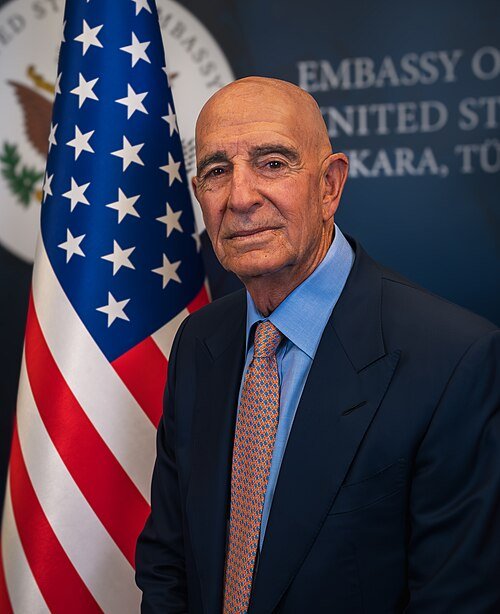
US Special Presidential Envoy for Syria and Iraq, Tom Barrack, revealed that the United States is working in coordination with five countries in the region, including Syria, on a strategic initiative to establish alternative routes to the Strait of Hormuz. The project aims to reduce reliance on one of the world’s most critical maritime corridors for energy and global trade.
Speaking at the US–Iraq Business Summit held at the US Chamber of Commerce in Washington, Barrack said that regional and international attention is no longer focused solely on the Iranian nuclear issue, but also on the future of the Strait of Hormuz and the security of supply routes amid recurring tensions in the region.
He explained that the initiative is being developed in coordination with Syria, Jordan, Türkiye, Lebanon, and Egypt, with the goal of creating an integrated network of overland and logistics corridors to ensure the uninterrupted movement of trade, goods, and energy, even in the event of disruptions or closures affecting the Strait.
Barrack added that the project is based on shifting from a maritime transport model dependent on narrow sea lanes to a new system centered on “precautionary delivery,” enhancing supply chain resilience and reducing risks associated with geopolitical crises.
He stated that, if completed, the plan would make the strategic importance of the Strait of Hormuz “secondary” within two years by providing practical and efficient alternatives for regional and international trade.
According to the Iraqi News Agency (INA), Barrack’s remarks come at a time of growing calls to diversify energy and trade routes in anticipation of any disruptions that could affect navigation through the Strait of Hormuz, a passage that carries a significant share of the world’s oil exports.