





Northern Syria’s Archaeological Treasures: A Civilizational Heritage Enduring Despite Challenges
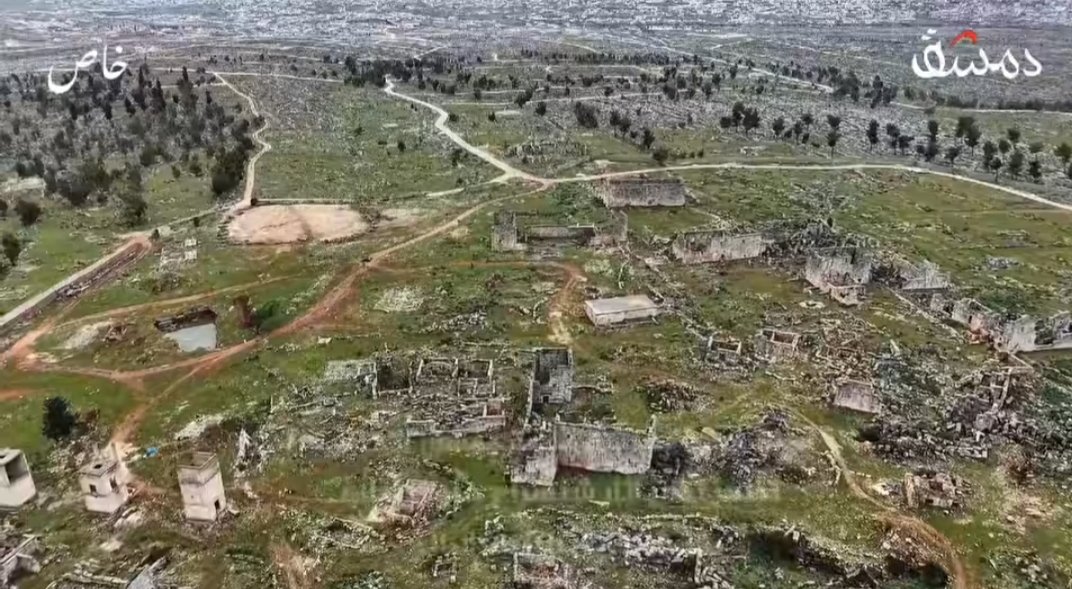
The regions of northern Syria are home to a rich archaeological heritage dating back to the Roman and Byzantine eras. Among the most prominent sites are the villages of Shanshrah and Serjilla, as well as the ancient city of Ebla, all of which served as major tourist destinations before 2011, attracting visitors from across Syria and abroad. However, the war that engulfed the country transformed these sites into hazardous areas due to the spread of landmines along former frontlines between regime and opposition forces. This has obstructed access to the sites, halted restoration and maintenance efforts, and exposed them to vandalism and illegal excavations.
Idlib Governorate contains a number of archaeological settlements known as the “Dead Cities,” in addition to significant landmarks such as Ebla and the Maarrat al-Numan Museum. Meanwhile, Aleppo Governorate hosts important historical monuments, most notably the Citadel of Aleppo and the Ain Dara Temple. As difficult security and economic conditions persist, looting and the illicit trafficking of antiquities have intensified, threatening the loss of a substantial part of Syria’s cultural heritage.
In a statement to Damascus News Platform, archaeologist Mohammed Al-Omar explained that the village of Shanshrah, also known as the “City of Joy” or the “Neighbor of the Moon,” is considered one of the most prominent archaeological villages in the Jabal al-Zawiya region, which encompasses around 800 ancient villages collectively referred to as the “Limestone Villages.” He noted that the area includes historically significant sites such as Baouda, Rabia, Jala, Abshla, and Al-Bara.
Al-Omar added that Shanshrah and the surrounding villages were constructed between the first and seventh centuries AD and reflect both Roman and Byzantine architectural styles. He pointed out that the village contains several historic churches, most notably the Northern Church, which was built atop the ruins of a Jewish temple. The site also includes a three-story watchtower that suffered partial destruction, leaving only two floors standing. In addition, the village contains the tomb of a Greek philosopher and a small mosque dating back to the Ayyubid era.
Discussing the scale of destruction inflicted upon the village, Al-Omar stated in his interview with Damascus News Platform that previous studies estimated the number of historic houses at more than 800, whereas today no more than 150 remain. He attributed this decline to successive wars and the bombardment that struck the region over the years. He further explained that residents had used the ancient buildings as shelters during periods of intense shelling.
He emphasized that the village’s current condition reflects the magnitude of the challenges facing the preservation of Syria’s archaeological heritage, amid continuing damage and the absence of sufficient resources for restoration and protection efforts.
In the same context, Ahmad Al-Yahya, a resident of a nearby village, told Damascus News Platform that the archaeological area once served as a recreational escape for residents of neighboring villages, especially during the spring season, when families and friends would gather there for outings and social activities. He added that the site also welcomed foreign visitors from various European countries and regions, who reached the area through rugged mountain paths using donkeys and mules.
Al-Yahya recalled scenes that remain etched in his memory, including the emotional reaction of a foreign visitor who burst into tears in front of one of the ancient palaces, saying that the place represented part of her ancestors’ history. He explained that local residents once spent their time in a vibrant social atmosphere within the archaeological site before the war completely altered the character of the region.
He further confirmed that the shelling inflicted upon the area caused widespread destruction, including the demolition of a water well that residents had relied upon as a source of livelihood. He also noted that the attacks targeted civilians and livestock alike, turning the area into a battleground from the early years of the conflict.
Despite the scale of destruction and neglect, these sites continue to represent an important part of Syria’s historical and cultural memory. Calls are increasingly being made for international organizations, particularly UNESCO, to intervene in order to protect what remains of this civilizational heritage, especially as the threat of landmines continues to claim civilian victims visiting the archaeological villages.