


Dimasheq
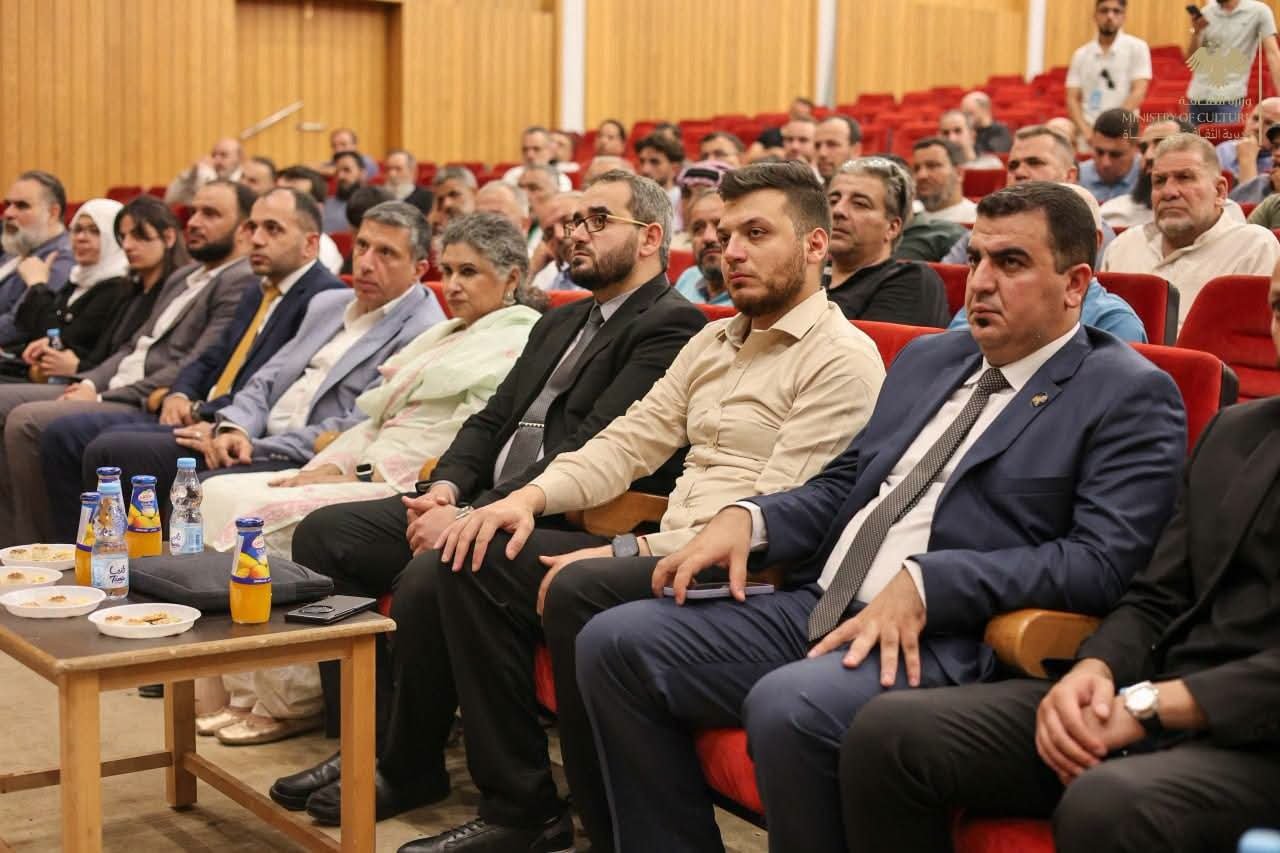
The Hama Directorate of Culture organized the event “The Story of Loss” to commemorate the anniversary of the Tremseh Massacre. The event aimed to honor the victims, preserve the human memory of the tragedy, and highlight the stories that continue to bear witness to pain and resilience, contributing to the preservation of Syria’s national memory and the promotion of justice and fairness.
The event was attended by representatives of the Office of the United Nations High Commissioner for Human Rights (OHCHR), along with a number of cultural and human rights professionals. It featured a panel discussion with members of the National Memory Team at the Transitional Justice Commission, represented by Dr. Mohammad Al-Dghaim, as well as several survivors and eyewitnesses who experienced the massacre firsthand.
Participants emphasized the importance of documenting firsthand testimonies as an essential part of preserving the historical record. They stressed that safeguarding national memory is a key pillar of the transitional justice process, helping to raise public awareness of victims’ rights, reinforce accountability, and prevent future violations.
The discussion also provided survivors and witnesses with an opportunity to share their personal experiences and recount the events they endured in Tremseh. This step reflected the importance of listening to the voices of victims and survivors and incorporating their testimonies into documentation efforts aimed at building a national memory that protects rights and promotes a culture of justice and peace.