


Dimasheq – Damascus News
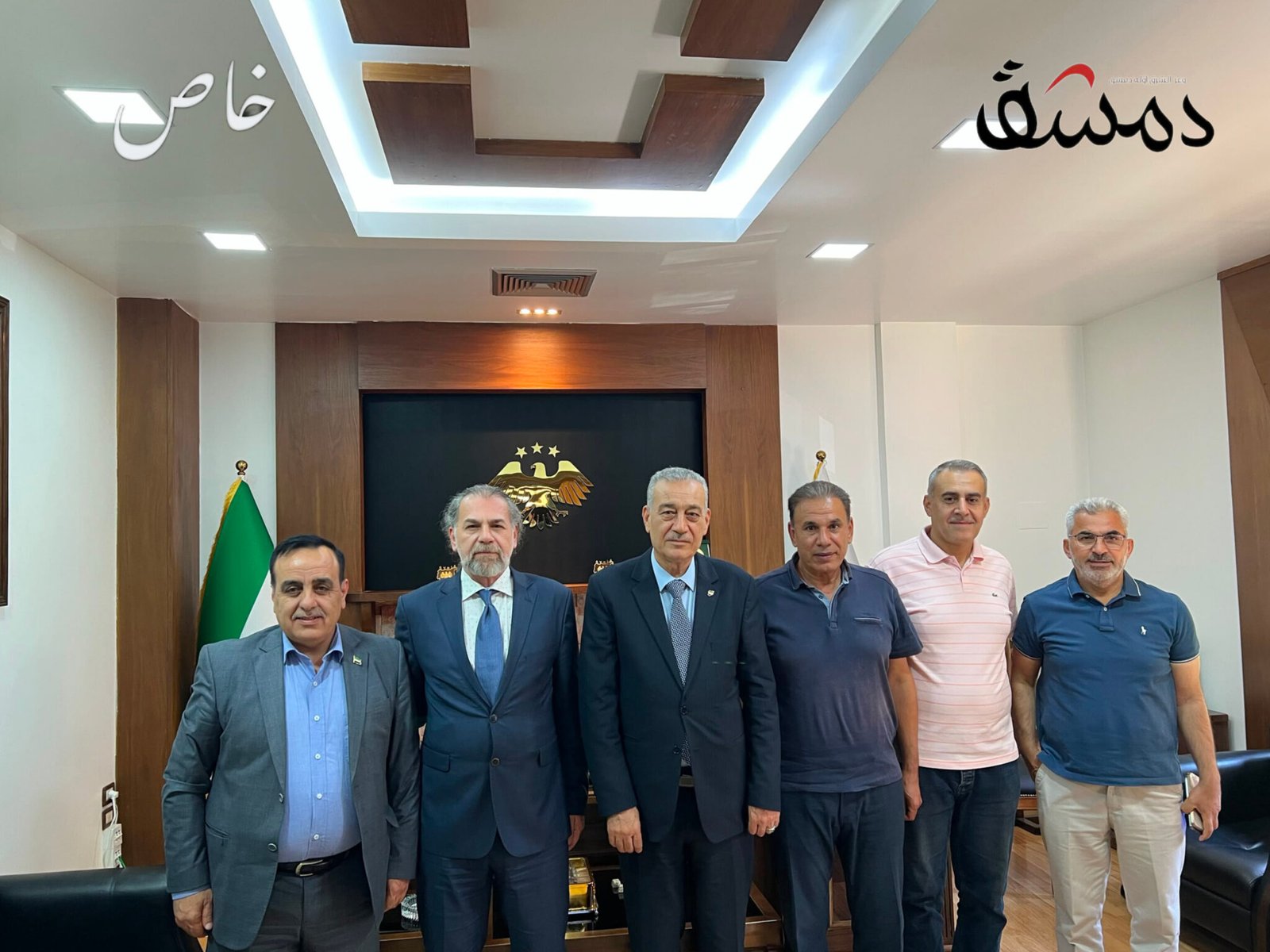
A delegation from the Damascus Foundation for Culture, Thought and Arts met with Brigadier General Abdul Basit Abdul Latif, Head of the National Transitional Justice Commission, at the Commission’s headquarters in Damascus. The meeting took place within the framework of strengthening cooperation and coordination among national institutions in support of the transitional justice process and the promotion of dialogue and social reconciliation.
The delegation and the Head of the Commission discussed several issues related to the role of culture, thought, and the arts in supporting transitional justice, emphasizing the importance of cultural initiatives in raising public awareness, promoting citizenship, preserving national memory, and contributing to civil peace and the building of a future founded on justice and the rule of law.
Both sides also reviewed prospects for joint cooperation in organizing cultural and intellectual programs and events highlighting the significance of transitional justice, while encouraging the participation of cultural, artistic, and academic communities in supporting the Commission’s efforts through seminars, forums, and awareness activities targeting various segments of society.
The Head of the National Transitional Justice Commission stressed the importance of partnership with cultural and intellectual institutions, describing them as essential partners in promoting a culture of justice and strengthening social reconciliation. He noted that the success of transitional justice depends on the combined efforts of governmental, civil, and cultural institutions.
For its part, the delegation of the Damascus Foundation for Culture, Thought and Arts expressed its appreciation for the Commission’s role during this critical stage, affirming the Foundation’s readiness to dedicate its cultural, intellectual, and artistic capabilities to supporting national initiatives aimed at promoting community dialogue and fostering a culture of peace and justice in line with Syrians’ aspirations for a more stable and cohesive future.
Brigadier General Abdul Basit Abdul Latif further stated that transitional justice requires broad partnerships with cultural, intellectual, and artistic institutions, as well as deep public awareness and an inclusive national discourse that encourages participation and dialogue. He emphasized that the Commission views culture as an active partner in promoting the values of justice, preserving the dignity of victims, strengthening trust among Syrians, and supporting a national path based on truth, fairness, and the rule of law.
Following the meeting, Ibrahim Al-Jubain, Chairman of the Board of Trustees of the Damascus Foundation, stated that the meeting opens a practical path toward a national partnership between cultural work and the transitional justice process. He stressed that culture is a fundamental pillar in restoring Syria’s collective memory, expanding spaces for dialogue, helping society reflect responsibly on the past, and looking toward a more just and cohesive future.
He added that the Foundation is placing its expertise in thought, the arts, media, drama, and documentary and feature filmmaking at the service of initiatives that preserve national memory and promote the values of justice, reconciliation, and civil peace.
Al-Jubain also pointed to the theatrical production “Rehearsal for Judgment Day”, presented by the Damascus Theatre Troupe under the patronage of the Ministry of Culture, as a practical example of the power of art to raise fundamental questions, stimulate public debate on memory, justice, and the fate of victims, and engage audiences with profound national issues. He noted that the play generated significant public and cultural discussion in Syria, demonstrating society’s need for bold artistic works that address its deepest concerns. He added that the Ministry of Culture is working to restage the production in both Damascus and Aleppo to expand public engagement and strengthen its presence within Syria’s cultural scene.
In turn, Dr. Mumtaz Al-Sheikh, a member of the Board of Trustees of the Damascus Foundation for Culture, Thought and Arts, stated that the current stage places a moral and national responsibility upon cultural institutions to address the concerns of Syrians, particularly issues related to memory, victims, detainees, the missing, women, and marginalized groups.
He added that art and thought have the power to transform Syria’s pain into knowledge, awareness, and a space for dialogue. Through its programs, platforms, dramatic productions, and documentary works, the Foundation seeks to contribute to building a cultural discourse that honors the sacrifices of the Syrian people and supports their right to justice and a better future.