




Dimasheq
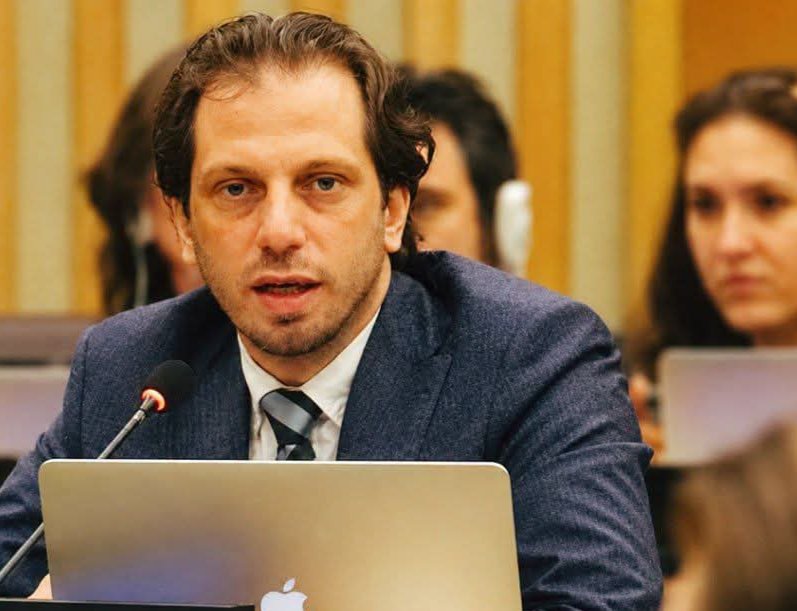
Head of the Syrian Network for Human Rights, Fadel Abdul Ghani, said that the verdicts issued yesterday against Bashar al-Assad, Atef Najib and seven other defendants who are at large represent an “important legal step” toward ending impunity, moving accountability for serious crimes from the realm of political and moral demands into the framework of national judicial proceedings.
In a statement to a SANA correspondent on Wednesday, Abdul Ghani said that the issuance of verdicts against individuals convicted of crimes against the Syrian people carries particular significance for victims and their families, as it constitutes public recognition of the killings, torture, detention and enforced disappearances they suffered. He stressed that these violations were not isolated incidents, but rather part of a broad and systematic pattern.
He added that the case should mark the beginning of a comprehensive national justice process, stressing the need to adopt clear national legislation addressing crimes against humanity, war crimes, torture and enforced disappearance, regulating the responsibility of senior leaders, protecting victims’ rights and ensuring that perpetrators do not escape accountability.
The head of the Syrian Network for Human Rights stressed that sustainable justice cannot be achieved through a single verdict, regardless of its symbolic importance. Rather, it requires uncovering the truth, providing reparations to victims, determining the fate of those subjected to enforced disappearance, and taking measures to ensure that violations are not repeated.
The Fourth Criminal Court in Damascus ruled on Tuesday to sentence Bashar al-Assad, Atef Najib and several defendants who are at large to death. The defendants include Maher Hafez al-Assad, Fahd Jassem al-Freij, Louay Ali al-Ali, Qusay Ibrahim Mihoub, Wafiq Saleh Nasser and Talal Fares al-Aissami.
The verdict also included Mohammad Ayman Ayoush, before the public prosecution was dropped against him following his death.
The verdicts were issued during the ninth session dedicated to delivering judgment in the case brought against Atef Najib and the defendants who are at large, following their conviction of crimes against the Syrian people