


Dimasheq – News
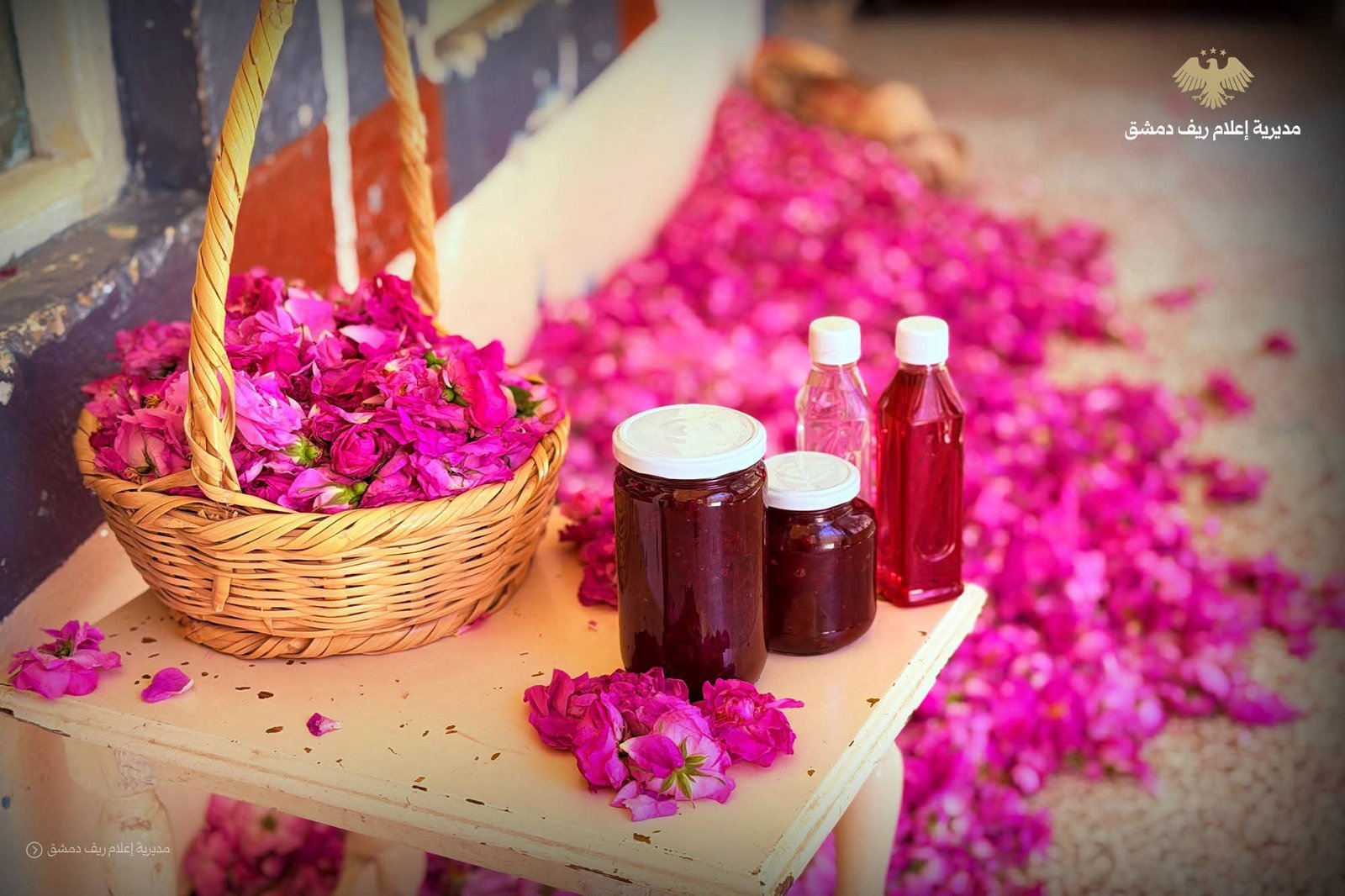
In the plains of Al-Marah in the Damascus countryside, the Damask rose blossoms with the arrival of spring, announcing the beginning of a season filled with a unique fragrance that local residents have inherited and preserved for generations. Across its vast pink fields, farmers continue their daily dedication to cultivating this remarkable flower, which has become a symbol of the region and one of the most prominent features of its agricultural and cultural identity.
The Damask rose is considered one of the oldest aromatic rose varieties in the world. Renowned for its distinctive characteristics and enchanting scent, it is highly valued in various industries, particularly in the production of essential oils, rose water, cosmetics, and food products.
The harvesting season begins in the early morning hours when the flowers are at their freshest and richest in essential oils. Family members often participate in the picking process, which requires precision and speed to preserve the quality of the blossoms before they are transported to distillation and extraction facilities.
The significance of the Damask rose extends beyond its economic value. It also holds deep cultural and social importance, being closely linked to local customs and traditions passed down through generations. Its cultivation provides seasonal employment opportunities and supports agricultural and rural development in the area.
Despite the challenges facing the agricultural sector, the Damask rose continues to maintain its status as one of the most important heritage crops in the Qalamoun region. It stands as a testament to the strong bond between people and their land and their ability to transform natural beauty into a source of livelihood and creativity.
With every new season, the story of the Damask rose is renewed, carrying with it the fragrance of the past and the promise of the future, while reaffirming its position as one of Syria’s most treasured natural assets and a symbol recognized around the world.