



Damascus News Platform – News
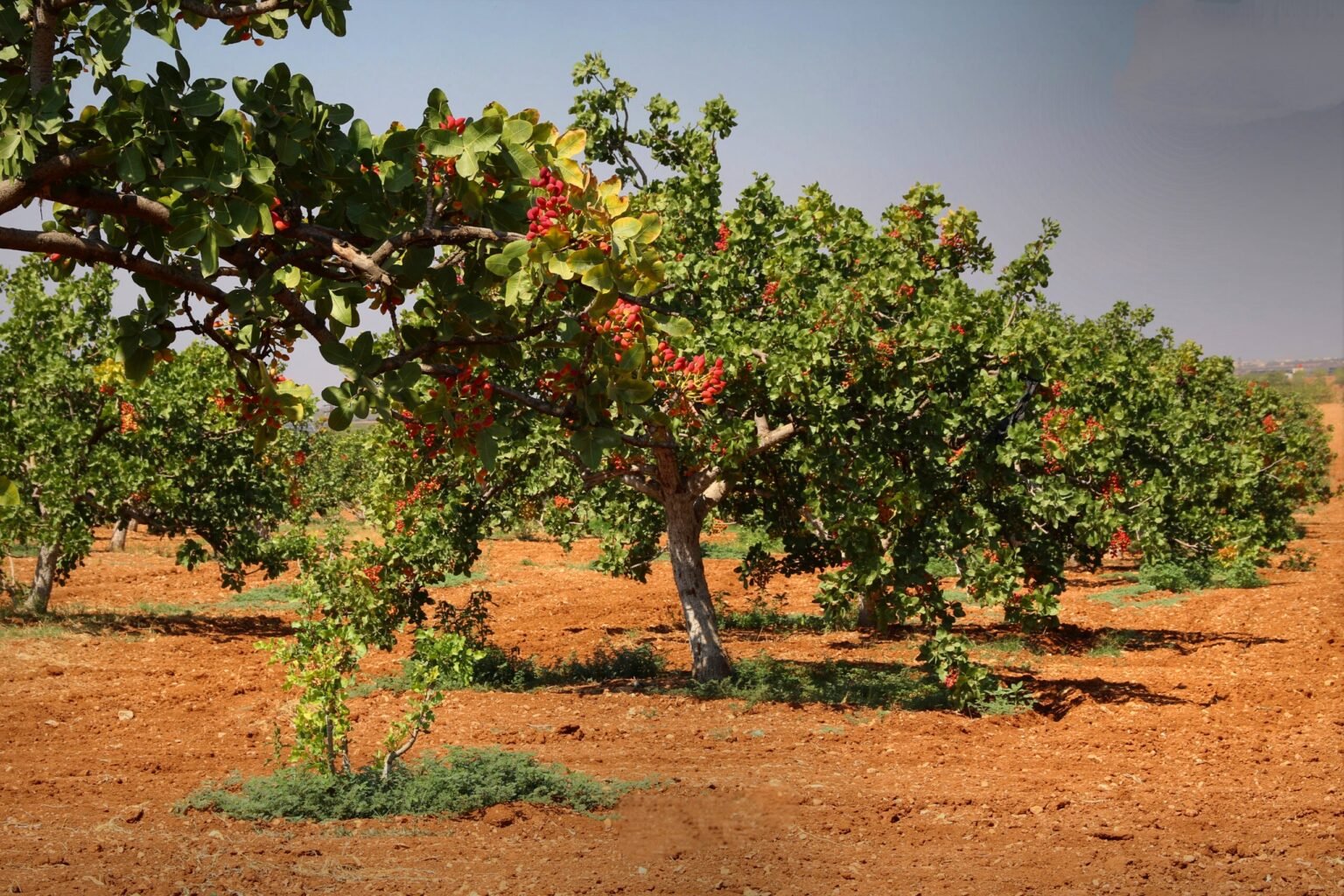
Farmers in the countryside of Hama and Idlib have returned to their pistachio orchards after years of displacement and war, seeking to revive agricultural lands that suffered from burning, cutting, and neglect, and to restore the production of one of Syria’s most important agricultural and export crops.
Farmers say that returning to their land has not been easy, as they have faced extensive damage to large areas of orchards and the loss of many trees that once served as a primary source of income for their families.
One pistachio orchard owner in the town of Morek, in the Hama countryside, said that the scale of destruction was severe. He explained that he had owned 32 dunums planted with pistachio and olive trees, with around 16 pistachio trees per dunum. Upon returning, however, he found only between 40 and 50 trees remaining, while the rest had been burned or cut down during the years of conflict.
In the Idlib countryside, another farmer noted that the current season remains below pre-war levels, with production reaching only about 20 percent of previous rates. However, the favorable rainfall this year has renewed hope among farmers that the trees will recover and yields will increase in the coming years.
For his part, agricultural engineer Hafs Rastanawi explained that pistachio trees require at least seven years before they begin producing fruit. This makes the rehabilitation of orchards and the planting of new trees a long-term investment, during which farmers must bear various expenses without receiving a direct economic return.
Pistachios are among Syria’s most important agricultural crops due to their economic and export value. Efforts to revive pistachio orchards therefore represent an important step toward supporting the agricultural sector and strengthening sources of income in areas affected by the war.