




Damascus News Platform — News — Syria
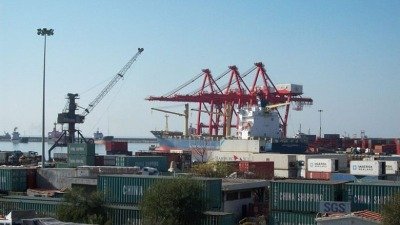
Mazen Alloush, Director of Public Relations at the General Authority for Land and Sea Ports, stated that several neighboring countries have begun turning toward Syria following the closure of the Strait of Hormuz, seeking access through Syrian ports amid concerns that the crisis may continue.
In remarks to The New York Times, Alloush explained that these countries are currently preparing alternative plans in anticipation of prolonged regional tensions.
He noted that the Al-Tanf border crossing, considered a key route for transporting oil overland from Iraq, has remained out of service for years. He added that its full rehabilitation would require at least several months and an estimated cost of around $25 million.
Alloush further explained that the Syrian government quickly moved to capitalize on this potential economic opportunity by dispatching convoys, equipment, passport and border control teams, as well as mobile housing units, in an effort to accelerate the reopening of the crossing.
For his part, political economy expert Karam Shaar described the current period as a “favorable moment” for Syria, pointing to a political inclination toward reviving infrastructure and energy projects that had stalled during the years of war.
Shaar added that Syria has repeatedly shown a tendency to announce major projects, although many of them fail to reach the stage of actual implementation.