

Dimasheq– Quoted from Syria Today
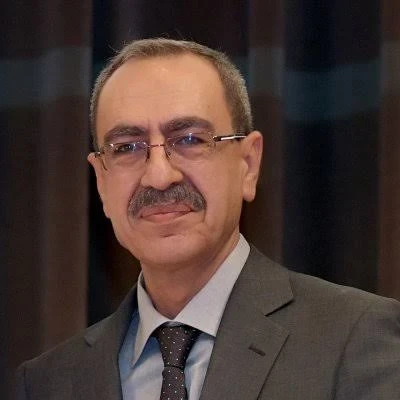
The Ministry of Culture has recently released the first issue of “Al-Sham Magazine,” featuring a wide range of cultural, intellectual, and dialogue-based content. Syrian writer and researcher Islam Abu Shkeir contributed to this inaugural issue with an in-depth analytical article titled: “Syrian Cultural Identity: Repairing the Damage and Defining Responsibilities.”
In his contribution, Abu Shkeir presented a bold diagnosis of what he described as “the most prominent dilemma” within the Syrian revolutionary and intellectual landscape: the absence of a clear and well-defined formulation of Syrian identity that could serve as a solid foundation for public debate. He argued that this absence does not indicate a lack of identity itself, but rather reflects the failure of objective cultural projects due to decades of political and ideological domination.
Systematic Policies of Distortion and Marginalization
The article reviewed the catastrophic practices that have affected the Syrian cultural scene since 1970, highlighting mechanisms of destruction that targeted various fields of creativity:
Literature and Poetry:
The exclusion and marginalization of the pioneering figures of Syria’s early cultural movement—those who embodied the spirit of the Syrian state during its formative years (such as Khalil Mardam Bey, Badawi al-Jabal, and Khair al-Din al-Zirikli)—while replacing them with an “artificial elite” selected according to loyalty, sectarian, or partisan considerations rather than artistic merit and creativity.
Arts and Theater:
The transformation of academic and production institutions, such as the Higher Institute of Dramatic Arts, into tools for filtering creative talents and promoting artistic figures from specific social environments at the expense of qualified individuals from other cities and communities.
Music and Folk Heritage:
The reinforcement of a condescending and stereotypical attitude toward the culture and music of peripheral regions—including the Euphrates, the Syrian desert, Hauran, and Kurdish communities—while portraying their dialects and traditional clothing as material for mockery and ridicule in order to isolate them socially and culturally.
History and Archaeology:
The excessive focus on the civilizations of the Syrian coast as the sole representation of Syrian identity, while diminishing and marginalizing the rich historical heritage of civilizations in the Euphrates Valley (Mari and Dura-Europos), northern Syria (Ebla and the Dead Cities), and southern Syria.
The Kurdish Issue:
The writer described the suppression of Kurdish identity and the deprivation of Kurdish people from their linguistic and cultural rights—as well as the banning of their creative and cultural activities—as “the gravest crime.” He argued that these policies sought to dissolve this ancient identity into a narrow ideological framework instead of celebrating it as an essential component of the Syrian national fabric.
A Roadmap for Repairing the Damage
In the conclusion of his article, Abu Shkeir emphasized that repairing the deep damage inflicted upon Syrian identity will require decades of dedicated work and courageous self-examination. He outlined future responsibilities through four main paths:
The Responsibility of the State:
To promote freedoms, support research centers, and rehabilitate the education and media sectors in order to defuse social tensions and divisions.
Civil and Research Institutions:
To re-examine history and contemporary reality through scientific and objective perspectives aimed at dismantling myths and formulating a unified national narrative.
The Intellectual and Creative Community:
To break free from the legacy of authoritarianism, restore the memory of marginalized pioneers, and celebrate local diversity—whether Kurdish, Euphrates-based, Haurani, or otherwise—as an authentic national asset rather than a marginal folkloric phenomenon.
Syrian Society:
To transform the painful past into a lesson for the future and direct collective attention toward building a shared future as the highest goal for all Syrians.
It is worth noting that “Al-Sham Magazine,” through its first issue, seeks to open new horizons for intellectual and cultural dialogue grounded in a bold and objective reading of the Syrian reality.