





Dimasheq
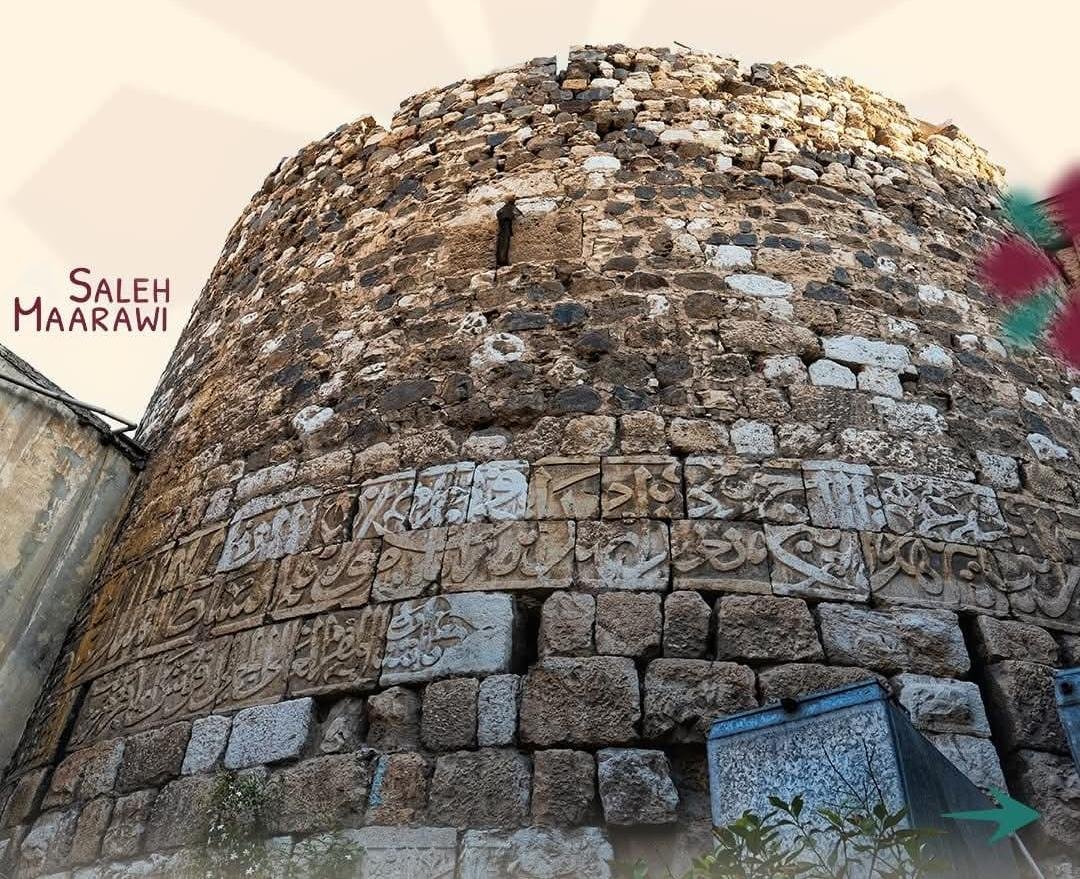
In the heart of Old Damascus, among its ancient alleys and historic walls, stands the Nur al-Din Zengi Tower as one of the city’s most prominent landmarks and enduring symbols of its architectural and cultural heritage. Within its stones lie stories spanning centuries, while its architectural details reflect the many historical eras that have left their mark on Damascus, remaining visible to this day.
The tower dates back to the fortification project undertaken in Damascus during the reign of the ruler Nur al-Din Zengi in the 12th century. It formed part of an integrated defensive system designed to protect the city and strengthen its walls. Over the centuries, the tower underwent several restoration works and modifications, most notably during the Mamluk period, whose inscriptions and stone carvings still adorn parts of the structure and contribute to its distinctive architectural character.
Beyond its role as a historic defensive monument, the tower represents a living page from Damascus’ collective memory. Its walls preserve stories of the political and urban transformations that shaped the city throughout history, reflecting Damascus’ status as one of the oldest continuously inhabited cities in the world.
As part of the “Walls and Gates of Damascus” series, we highlight the landmarks that have contributed to shaping the city’s identity and preserving its historical character across generations, revisiting together a rich cultural heritage that continues to thrive within the neighborhoods of Old Damascus.