





Dimasheq
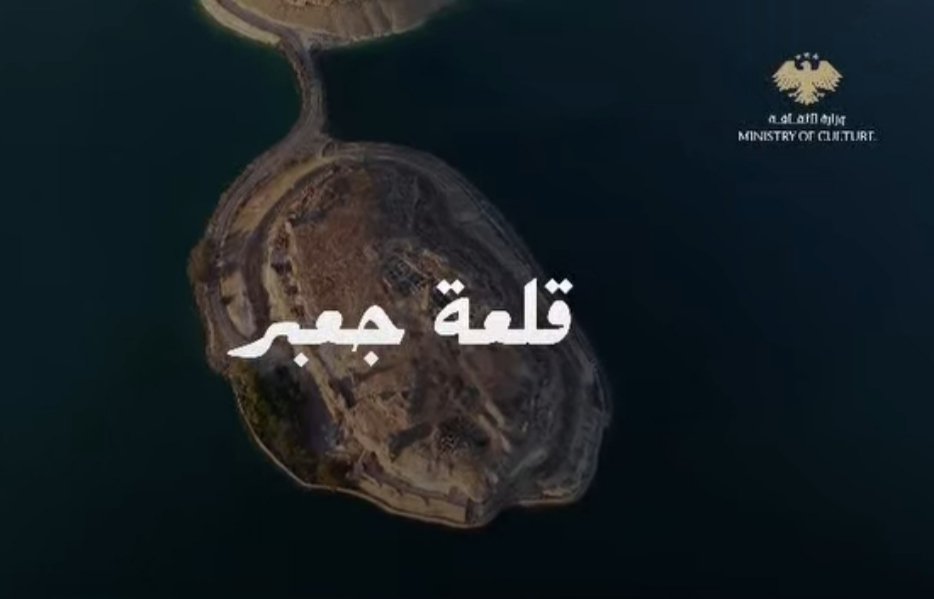
Ja’bar Castle is considered one of Syria’s most prominent archaeological and historical landmarks, serving as a cultural symbol that reflects the strategic importance of the Euphrates region throughout the ages. Located on the left bank of the Euphrates River west of the city of Raqqa, the castle rises majestically atop a rocky hill overlooking the river, forming a remarkable historical panorama that combines the beauty of its setting with the rich heritage it preserves.
The castle gained its strategic significance through its oversight of one of the most important historical crossings of the Euphrates River, making it a vital point for controlling trade routes and movement between the Syrian Jazira, the Levant, and Iraq. Over the centuries, the fortress witnessed numerous historical events and transformations, becoming a living testament to the succession of civilizations that flourished in the region and contributed to shaping its cultural identity.
Ja’bar Castle is distinguished by its unique architectural style, which reflects the evolution of Islamic military architecture and fortification techniques. The fortress is surrounded by strong defensive walls and multiple watchtowers designed to protect the site and enhance its defensive capabilities. Its architectural details also demonstrate the advanced engineering skills achieved in the construction of castles and fortresses during various Islamic periods.
To this day, the castle maintains its status as one of Syria’s most significant archaeological sites due to its historical, cultural, and tourism value, as well as its role in documenting important chapters of the history of the Euphrates region. It attracts visitors and researchers interested in heritage and archaeology, who come to explore its landmarks and discover the cultural traces that reflect the depth of Syrian history.
Ja’bar Castle remains, with its historical and architectural significance, a symbol of Syria’s ancient civilization and cultural diversity. It is an integral part of the national memory, telling the story of human civilization along the banks of the Euphrates over thousands of years and reaffirming Syria’s position as one of the most important cradles of civilization in the region and the world.