


Dimasheq
The Danish Refugee Council (DRC) has affirmed that Syria’s agricultural sector remains a cornerstone of the national economy, providing employment opportunities and sources of income for a large segment of the population. The council noted that agriculture accounted for approximately 21.9% of employment in Syria before 2011, but this figure declined to around 15.5% of the total workforce by 2022.
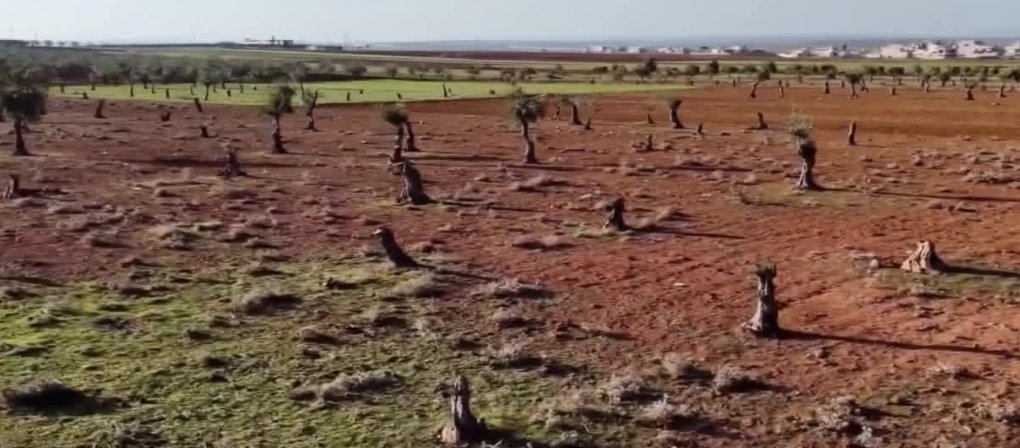
In a recent report, the DRC stated that years of conflict have left profound impacts on the agricultural sector, including damage to irrigation networks and production infrastructure, market disruptions, contamination of large areas of farmland with unexploded ordnance, and housing, land, and property issues that have limited many farmers’ access to their land.
The report added that recurring droughts, desertification, economic deterioration, and weak institutions have further undermined rural livelihoods. Women, youth, and displaced persons continue to be among the most affected groups in rural communities.
The council also warned that Syria experienced one of its most severe droughts in nearly 36 years during 2025, with approximately 75% of cultivated land affected. This has resulted in crop losses, degradation of grazing lands, and an escalating water crisis across the country.