

Dimasheq
The General Authority for the Management, Development, and Protection of the Syrian Badia announced the production and planting of approximately 900,000 drought-resistant seedlings during the past year as part of its efforts to combat desertification and restore vegetation cover across the Badia region.
Hassan Fares, Director of Natural Resources Development at the Authority, stated that the seedlings included species capable of withstanding harsh climatic conditions, such as Rotha, Atriplex canescens (Fourwing Saltbush), and Atriplex halimus (Mediterranean Saltbush), in addition to forestry plants suited to the Badia environment.
Speaking on the occasion of the World Day to Combat Desertification and Drought, observed annually on June 17, Fares noted that the Authority is also implementing programs to collect seeds of native plant species from designated seed mother fields in the Badia. Around 3,000 kilograms of seeds are collected each year and distributed to governorates for direct seeding programs.
He added that the Authority’s technical teams are constructing water barriers and reservoirs along natural watercourses in the Badia to harvest as much rainwater as possible, reduce water erosion, improve the local climate, and support the restoration of vegetation cover through the natural seed bank present in the soil.
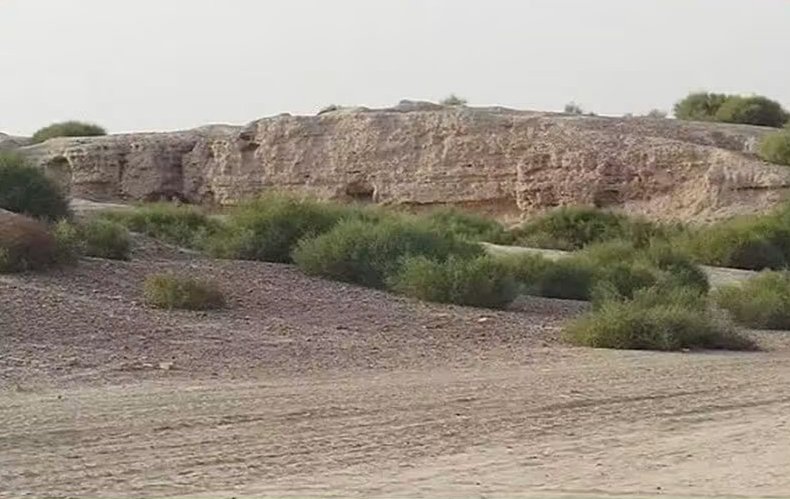
Covering more than 55% of Syria’s territory, the Badia serves as the primary source of forage for livestock. However, it has experienced significant degradation over recent decades, affecting nearly 75% of its total area.